
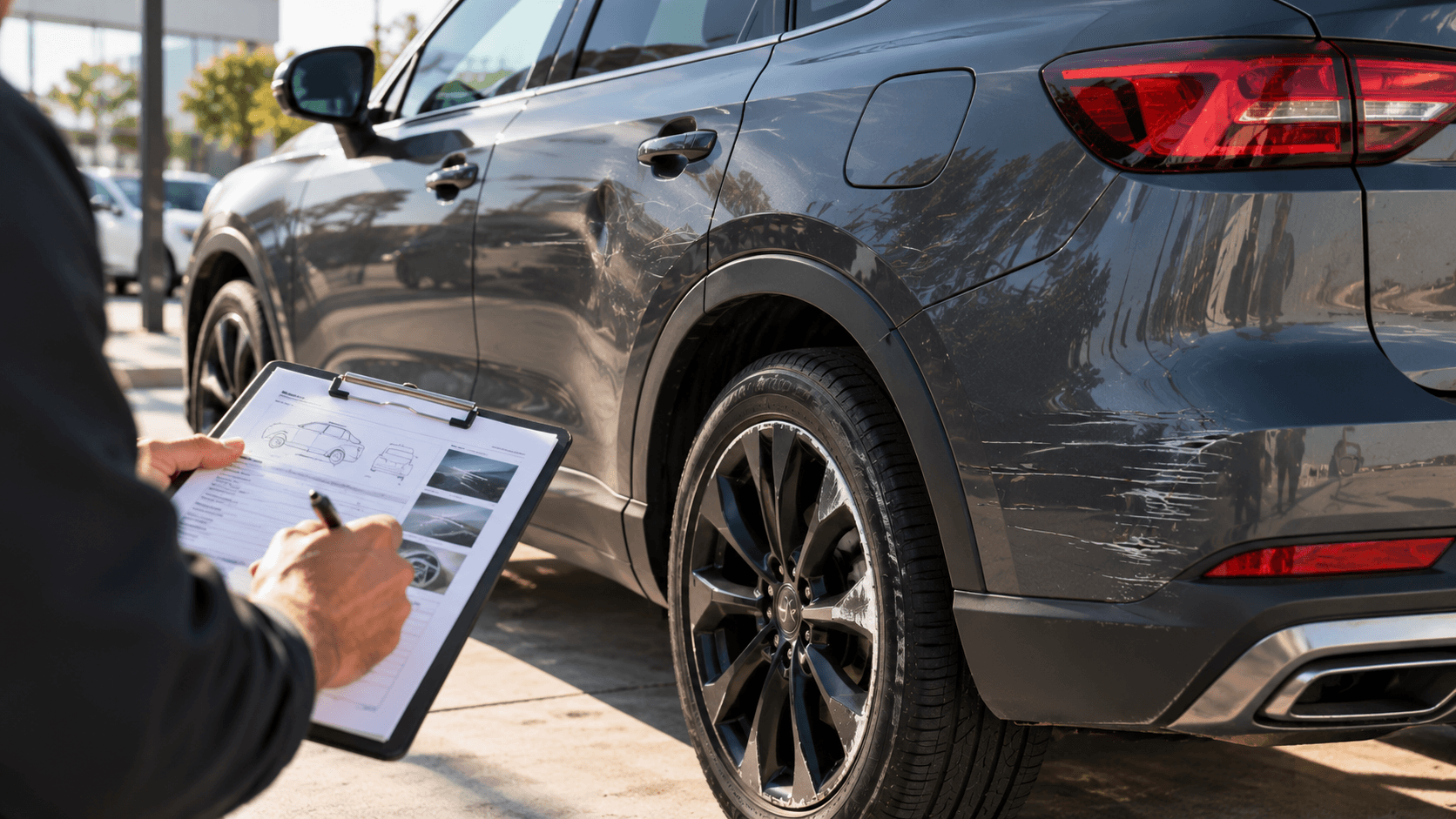
Should I Fix My Car Before Trading It In? What’s Worth Fixing
Thinking about selling or trading your car? Before spending money fixing every scratch, dent, or scuffed wheel, learn which repairs may make sense and which could cost more than they return.
Should You Fix Your Car Before Selling or Trading It In?
The moment you decide to sell or trade in your car, every little flaw suddenly becomes impossible to ignore.
That scratch on the door.
The wheel you scraped on a curb months ago.
The dent you stopped noticing.
The bumper scuff that somehow looks worse now that you're thinking about an appraisal.
And then comes the obvious question:
Should I fix all of this before I sell the car?
Usually, no.
The goal isn't to make your car perfect. The goal is to figure out which problems are actually worth spending money on before you hand over the keys.
A $1,000 repair doesn't automatically make your car worth $1,000 more.
Some repairs can absolutely make sense before selling or trading in a vehicle.
Others are just money you probably won't get back.
Here's how to tell the difference.
Should You Fix Your Car Before Trading It In?
A good rule is simple:
Fix something when the benefit is likely to be greater than what you're spending.
That sounds obvious, but it's easy to lose sight of when you're staring at damage right before a trade-in.
You see a dent.
You imagine the dealer taking hundreds off the offer.
So you spend $800 fixing it.
Then you find out the repair barely changed the trade-in value at all.
Before fixing anything just because you're selling, figure out three things:
What is actually damaged?
What will it realistically cost to repair?
And does that damage matter enough to justify fixing it before the sale?
That gives you a much better answer than trying to make an older car look brand new.
Selling Privately and Trading In Are Different
How you're selling the car matters.
If you're selling directly to another person, appearance usually matters more.
A buyer walks up, sees a big scratch or dent and immediately starts thinking about what it'll cost them to fix.
Even if the damage is only cosmetic, it can become part of the negotiation.
A dealership looks at the car differently.
They're evaluating the vehicle as a whole and deciding what they're willing to pay based on what they can do with it afterward.
They may repair the damage themselves.
They may send it to auction.
They may decide the damage isn't worth fixing at all.
So while cosmetic damage can still affect a trade-in offer, spending $800 fixing something doesn't mean the dealer will suddenly offer you $800 more.
That's the key difference.
Should You Fix Scratches Before Selling a Car?
It depends on the scratch.
A light scratch that can be polished out relatively cheaply may be worth fixing, especially if you're selling privately.
A deep scratch that needs significant paint work is a different decision.
If you're about to spend $700, $1,000 or more repairing paint damage, you need to ask whether you're realistically going to get that money back.
There's also a big difference between a scratch that's just ugly and one that's exposing primer or bare metal.
If metal is exposed, you're not only dealing with appearance anymore. Leaving it untreated can allow corrosion to develop.
The first step is understanding how deep the damage actually goes.
Don't assume every scratch needs a repaint.
And don't assume every scratch is harmless either.
Start your vehicle scan with VHQL.
What About Dents and Door Dings?
Small dents are incredibly common.
Parking lots, shopping carts and neighboring car doors tend to leave their mark eventually.
Whether a dent is worth fixing depends a lot on the condition of the paint around it.
If the paint is still intact, the dent may be relatively straightforward to repair.
If the paint is cracked or missing, the job can become more involved.
That's why two dents that look almost identical from a few feet away can have very different repair costs.
Before spending money fixing a dent for a sale or trade-in, find out what kind of repair it actually needs.
Then decide if the cost makes sense for the car you're selling.
Should You Fix a Scratched or Scuffed Bumper?
Bumpers get marked up constantly.
Parking blocks.
Garage walls.
Shopping carts.
Other cars.
A small scuff can make a bumper look worse than it really is, especially once you start cleaning the car up for sale.
Sometimes the damage is mostly in the paint.
Other times there's a deeper gouge, dent, crack or deformation underneath.
Those are very different repairs.
If the bumper itself is still in good shape, you may only be dealing with refinishing.
If the bumper is physically damaged, the repair can become more involved.
The important part is not jumping straight from "there's a mark on my bumper" to "I need a new bumper."
Find out what you're actually dealing with first.
What About Curb Rash on the Wheels?
Curb rash is another one of those things you stop noticing until you're getting ready to sell.
Then suddenly every wheel looks terrible.
Light wheel damage can make an otherwise clean vehicle look more worn than it really is.
If you're selling privately, that can matter because buyers notice presentation.
If you're trading the vehicle in, it may still affect how the car is evaluated, but that doesn't mean refinishing every wheel is automatically worth the money.
Again, it comes down to the cost of the repair versus the likely benefit.
Not every cosmetic flaw needs to be fixed just because you're selling.
Should You Replace a Cracked Windshield Before Selling?
Windshield damage deserves a little more attention.
A tiny chip and a long crack across the glass aren't the same thing.
Once the damage affects visibility, spreads across the windshield or creates a safety concern, it's no longer just cosmetic.
A buyer is also more likely to view obvious windshield damage as something they'll need to deal with right away.
Before selling, find out whether the glass can be repaired or needs to be replaced.
It's also worth checking your insurance coverage, because glass repairs may cost you less out of pocket than you expect.
Should You Detail Your Car Before Trading It In?
You should clean it.
You don't necessarily need to spend hundreds of dollars detailing it.
There's a difference.
Take your stuff out.
Vacuum the interior.
Clean the obvious stains.
Wash the exterior.
Clean the glass.
Clean the wheels.
Make the car look like it's been cared for.
That's usually the important part.
A dirty car can create a worse first impression and make the whole vehicle feel more neglected than it actually is.
But paying for an expensive premium detailing package doesn't guarantee a higher trade-in offer.
If you're selling privately, professional detailing may make more sense because good photos and a strong first impression can help attract buyers.
For a trade-in, clean and presentable is often enough.
Don't Try to Hide Damage
Cleaning your car is smart.
Trying to disguise real damage isn't.
There's a difference between improving presentation and trying to hide something long enough to make a sale.
If there's meaningful damage, be straightforward about it.
A buyer discovering a problem later is much worse than being upfront from the beginning.
And if you're trading the car into a dealership, they're going to inspect it anyway.
The goal isn't to fool anyone.
The goal is to make a smarter decision about what is worth fixing before you sell.
A Repair Doesn't Always Add the Same Amount of Value
This is probably the biggest thing to understand.
Let's say you get a $1,200 estimate to repair some cosmetic damage.
Fixing it does not automatically make your car worth $1,200 more.
Maybe it improves the value.
Maybe it helps the car sell faster.
Maybe it makes almost no difference.
That's why asking:
"Would the car look better if I fixed this?"
isn't very useful.
Of course it would.
The better question is:
"Does spending this money make sense for what I'm about to do with the car?"
That's the decision that actually matters.
A $30,000 Car and a $5,000 Car Are Different
The value and age of the vehicle matter.
If you're selling a newer, well-kept car that's still worth a lot of money, obvious cosmetic damage may stand out more.
Buyers expect the rest of the vehicle to match its age and value.
If you're selling an older, high-mileage car for a few thousand dollars, buyers are usually expecting some scratches, dents and normal wear.
Spending thousands trying to make a low-value older car look perfect usually doesn't make much sense.
The same scratch can matter very differently depending on the vehicle it's on.
Fix the Things That Change How the Car Feels
This is one of the easiest ways to think about it.
Some flaws are just normal wear.
A tiny chip on an eight-year-old daily driver probably doesn't change how someone feels about the car.
A huge dent across the driver's door might.
A little curb rash on one wheel probably doesn't change much.
Four badly damaged wheels might.
A small windshield chip may be manageable.
A crack running through the driver's line of sight changes the whole conversation.
Don't think about fixing every flaw.
Think about whether the damage changes the overall impression of the vehicle.
Before You Spend Money, Find Out What the Damage Actually Needs
This is where people waste money.
They see damage.
They assume it's expensive.
They either rush to fix it or ignore it completely.
Both can be mistakes.
You might spend $1,000 fixing something that didn't need that kind of repair.
Or you might assume a scratch is going to cost a fortune when it could be much simpler than you thought.
Start by understanding the damage.
What part of the vehicle is affected?
How deep is it?
Is the damage only cosmetic?
What repair is actually recommended?
What should that repair realistically cost?
Once you know those answers, deciding whether the repair is worth doing becomes much easier.
That's where VHQL can help.
With a VHQL vehicle scan, you can show the damaged area and get a clearer idea of the identified damage, the repair that may be needed and an estimated local cost before deciding whether it's worth fixing.
Start your vehicle scan with VHQL.
A Simple Way to Decide Whether a Repair Is Worth It
Before repairing cosmetic damage just because you're selling or trading in your vehicle, ask yourself:
Would I fix this if I were keeping the car?
Then ask:
How much will it actually cost?
Then:
Is the damage noticeable enough that it could really affect the sale or trade?
And finally:
Am I likely to get enough of that money back for the repair to be worth it?
You don't need a complicated formula.
You just need to stop assuming that fixing everything means you'll automatically get more money.
What Should You Do Before Selling Your Car?
Start with the basics.
Clean the car.
Remove your personal belongings.
Gather your maintenance records.
Find the spare key.
Make sure you know about any visible damage.
Take good photos if you're selling it yourself.
Then look at the issues that could actually affect how someone views the vehicle.
You don't need to start throwing money at every scratch and dent just because an appraisal is coming up.
Understand the condition first.
Then decide what is actually worth fixing.
Frequently Asked Questions
Should I fix my car before trading it in?
Not always. Small, inexpensive improvements may be worth doing, but bigger repairs don't automatically increase your trade-in offer by the amount you spend. Find out what the repair will cost before deciding.
Should I fix scratches before trading in my car?
Minor scratches may be worth correcting if the repair is inexpensive. Deeper scratches that require significant paint work should be evaluated more carefully because the repair cost may outweigh the benefit.
Do dents lower trade-in value?
They can. How much they matter depends on the size of the dent, the condition of the paint, the vehicle and its overall condition.
Should I detail my car before trading it in?
Clean it thoroughly and make it presentable. An expensive professional detail isn't always necessary, especially for a trade-in.
Should I fix curb rash before selling my car?
It depends on how noticeable the damage is, what the wheel repair will cost and whether you're selling privately or trading the vehicle in.
Should I repair a cracked windshield before trading in my car?
Windshield damage deserves more attention than normal cosmetic wear because it can affect visibility and safety. Find out whether the glass can be repaired or needs replacement before deciding.
Is it better to trade in a damaged car or repair it first?
There isn't one answer for every car. The smarter approach is to understand the damage, find out what the repair will cost and decide whether fixing it is likely to be worth the money.
Know Before You Spend
The closer you get to selling a car, the easier it is to convince yourself that every scratch, dent and scuff needs to disappear.
It doesn't.
Some repairs are worth doing.
Some aren't.
The important part is knowing the difference before you start spending money.
Understand what's actually damaged, what the repair should cost and whether fixing it makes sense for the way you're selling the car.
Then make the call.